
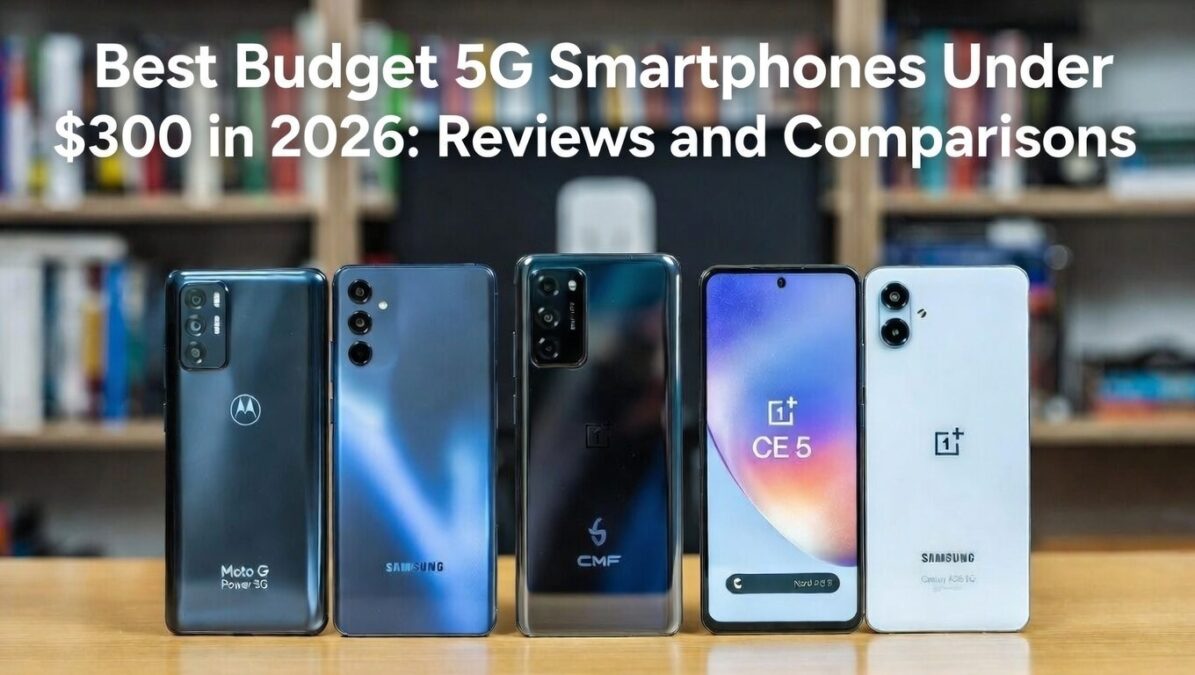
in today’s fast-paced world, staying connected without breaking the bank is more important than ever. With 5G networks fully rolled out across Pakistan and beyond by 2026, affordable smartphones that handle high-speed data, seamless video calls for remote work, and smooth streaming are a must. But let’s face it—budgets are tight, especially with rising costs everywhere. Whether you’re a student in Rawalpindi juggling online classes, a freelancer needing reliable battery life for all-day hustling, or just someone who wants decent photography without the flagship price tag, these budget 5G phones under $300 deliver real value.
Gone are the days when cheap meant crappy. In 2026, advancements in chipsets like MediaTek’s Dimensity series and Qualcomm’s Snapdragon have made entry-level devices punch above their weight. We’re talking AI-enhanced cameras for better low-light shots, batteries that last through your commute and Netflix binges, and software updates that keep your phone secure for years. Plus, with sustainability in mind, many now use eco-friendly materials like vegan leather or recycled plastics. I’ve scoured the latest reviews and specs to bring you the top picks—focusing on performance, camera quality, battery endurance, and long-term support. These aren’t just gadgets; they’re tools to keep you productive and entertained in our always-on era.
If you’re upgrading from an older 4G phone, expect faster downloads (think 4K videos in seconds), lower latency for gaming, and better integration with smart home devices. But not all budget phones are equal—some skimp on cameras, others on updates. I’ll break down the best options with honest pros, cons, and comparisons to help you decide. Let’s dive in!
Our Selection Criteria for 2026’s Best Budget 5G Phones
Picking the right phone isn’t just about the price tag—it’s about what fits your life. For this roundup, I prioritized devices under $300 (or equivalent in PKR, around 80,000-85,000 based on current rates) that support 5G bands common in Pakistan (like n78 for Telenor or Jazz). Key factors included:
- Performance: At least an octa-core processor (e.g., Dimensity 6300 or equivalent) with 8GB RAM for multitasking, AI features like voice assistants, and light gaming without lag.
- Battery Life: 5000mAh+ capacity with fast charging, because who has time to tether to a wall in 2026’s hybrid work setups?
- Camera: Multi-lens setups with at least 50MP main sensors for sharp social media pics, plus AI enhancements for portraits or night mode—essential for capturing family moments or content creation.
- Display: 6.5-inch+ screens with 90Hz+ refresh rates for smooth scrolling, ideal for video calls or browsing.
- Software and Updates: At least 3-4 years of security patches to combat rising cyber threats, plus Android 15/16 features like improved privacy controls.
- Build and Extras: IP ratings for dust/water resistance, expandable storage, and eco-materials for durability in humid Punjab weather.
- Value: Real-world testing from sources like PCMag and CNET, focusing on how they handle daily needs like Zoom meetings, PUBG sessions, or Uber navigation.
I avoided phones with poor low-light cameras or bloatware-heavy software, as these frustrate users long-term. Now, onto the reviews!
1. Motorola Moto G Power 5G (2026): The Battery Beast for All-Day Warriors
If battery anxiety is your nemesis, the Moto G Power 5G (2026) is your hero. Priced at around $300, this phone builds on Motorola’s legacy of endurance champs, making it perfect for folks in Rawalpindi who face power outages or long commutes. In 2026, with more people working remotely, its massive 5200mAh battery easily lasts 1.5-2 days on moderate use—streaming, calls, and social media without a hitch.
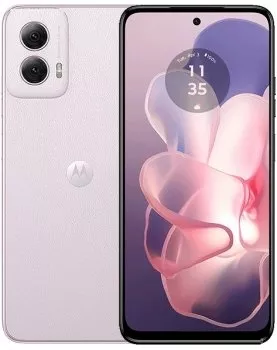
Key specs: 6.8-inch FHD+ display (120Hz refresh rate for buttery-smooth animations), MediaTek Dimensity 6300 chipset, 8GB RAM + 128GB storage (expandable via microSD), triple camera setup (50MP main + 8MP ultrawide + 2MP macro), 16MP selfie cam, Android 15 with 3 years of updates. It supports 30W wired charging and 15W wireless, which is rare at this price.
In real-world tests, it handled multitasking like a pro—switching between WhatsApp, Google Maps, and YouTube without slowdowns. The vegan leather back feels premium and grippy, resisting fingerprints better than glossy plastics. Camera-wise, the 50MP sensor captures vibrant daytime shots with good detail, though low-light performance is average without heavy AI processing. For gaming, it runs titles like Asphalt 9 smoothly at medium settings, thanks to the efficient chipset.
Pros: Exceptional battery life (up to 12+ hours of screen time), stylish design, NFC for contactless payments (handy for local apps like Easypaisa), clean Moto software with useful gestures.
Cons: Cameras struggle in dim lighting, only IP52 rating (splash-resistant but not fully waterproof), and performance isn’t flagship-level for heavy editing apps.
Who it’s for: Busy professionals or students needing reliability over flashy features. If you’re tired of charging mid-day, this is a no-brainer.
2. Samsung Galaxy A16 5G: The Long-Term Companion for Future-Proof Buyers
Samsung knows how to make budget phones feel premium, and the Galaxy A16 5G ($200-250) is a shining example. In an era where phones become obsolete quickly due to software vulnerabilities, its 6 years of OS updates and security patches stand out—meaning it’ll run Android 21 smoothly in 2030. This is crucial for users concerned about data privacy amid rising hacks.
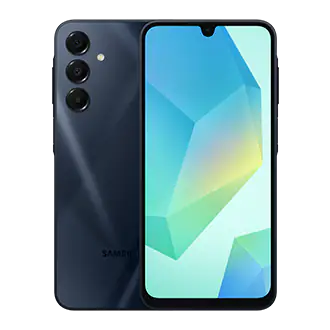
Specs: 6.7-inch Super AMOLED display (90Hz, vibrant colors for binge-watching), Exynos 1330 or Dimensity 6300 processor, 4-6GB RAM + 128GB storage (expandable), triple cameras (50MP main + 5MP ultrawide + 2MP macro), 13MP front cam, 5000mAh battery with 25W charging, IP54 dust/water resistance.
Reviews praise its bright screen, which hits 800 nits for outdoor visibility—great for checking emails in sunny Punjab afternoons. Performance is snappy for daily tasks, with One UI offering customizable features like Secure Folder for sensitive files. The camera excels in well-lit conditions, producing natural colors and sharp details; AI scene optimization helps with food pics or landscapes. Battery life clocks in at 13+ hours, and it supports 5G sub-6 for reliable speeds on networks like Zong.
Pros: Unmatched software support, punchy AMOLED display, expandable storage up to 1TB (perfect for media hoarders), solid build quality.
Cons: Charging isn’t the fastest, secondary cameras are mediocre, and it can heat up during extended gaming.
Ideal for: Families or long-term users who want a phone that ages gracefully, especially if you value Samsung’s ecosystem for things like Galaxy Watch integration.
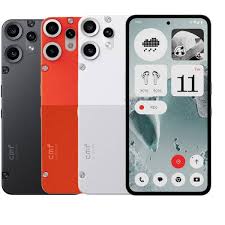
3. CMF Phone 2 Pro by Nothing: The Modular Maverick for Creative Types
For something fresh in 2026’s sea of sameness, the CMF Phone 2 Pro ($279) brings modularity to the budget table. Swap back panels, add accessories like extra batteries or camera grips—it’s like Lego for phones, appealing to tech tinkerers who want personalization without premium costs.
Specs: 6.77-inch AMOLED display (120Hz, up to 3000 nits brightness), MediaTek Dimensity 7300 Pro chipset, 8GB RAM + 128/256GB storage, quad cameras (50MP main + 50MP telephoto + 8MP ultrawide + 16MP selfie), 5000mAh battery with 45W charging, Android 15 with 3 major updates.
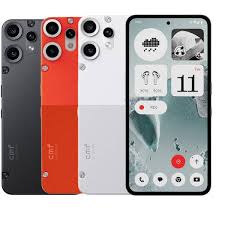
It’s a standout for photography enthusiasts on a budget—the telephoto lens offers 2x optical zoom for detailed portraits, and AI tools like Magic Editor fix imperfections. Battery life is stellar, lasting a full day with heavy use, and the glyph interface (LED lights on back) adds fun notifications. Performance is fluid, handling AI tasks like on-device translation seamlessly.
Pros: Unique modular design, excellent display for media, strong camera versatility, good haptics and speakers.
Cons: Limited US carrier compatibility (check for PK networks), no wireless charging, and accessories cost extra.
Best for: Content creators or gamers who want flair and functionality—think Instagram reels or casual editing on the go.
4. OnePlus Nord CE 5: The Speed Demon for Fast-Paced Lifestyles
OnePlus has always nailed value, and the Nord CE 5 ($299) continues that in 2026 with blazing-fast charging and a premium feel. If you’re always on the move—rushing between meetings or travels—this phone’s 80W charging gets you from 0-100% in under 30 minutes, addressing the need for quick top-ups in power-scarce areas.
Specs: 6.77-inch 120Hz AMOLED display, MediaTek Dimensity 8350 Apex chipset, 8GB RAM + 256GB storage, triple cameras (50MP main + 8MP ultrawide + 2MP macro), 16MP selfie, 5200mAh battery, IP65 rating, Android 15 with 4 years of updates.
Reviews highlight its elegant OxygenOS interface, which is clean and customizable for productivity. The camera performs well in varied lighting, with good color accuracy for video calls. Battery holds up for 12-14 hours, and the chipset handles demanding apps like Adobe Lightroom without stutter.
Pros: Ultra-fast charging, rich display, premium build, reliable performance for multitasking.
Cons: Cameras falter in low light, no telephoto lens, and haptics could be better.
Suited for: Remote workers or travelers needing speed and endurance—pair it with a power bank for ultimate mobility.
5. Samsung Galaxy A25 5G: The Balanced All-Rounder for Everyday Heroes
Rounding out the list, the Galaxy A25 5G ($250-300) is Samsung’s reliable workhorse, ideal for those who want a bit of everything without fuss. In 2026, its focus on longevity makes it great for parents buying for kids or anyone avoiding frequent upgrades.
Specs: 6.5-inch Super AMOLED (120Hz), Exynos 1280 chipset, 6-8GB RAM + 128GB storage (expandable), triple cameras (50MP main + 8MP ultrawide + 2MP macro), 13MP selfie, 5000mAh battery with 25W charging, 5 years of updates.
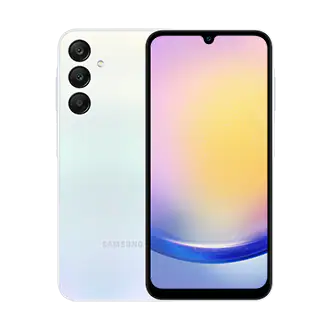
It shines in battery efficiency (13+ hours) and display quality for reading or videos. Cameras are competent for casual use, with steady video recording for vlogs.
Pros: Vibrant screen, long support, good speakers, expandable storage.
Cons: No wireless charging, average performance in intensive tasks.
Perfect for: General users seeking balance—think browsing, calls, and light photography.
Head-to-Head Comparison
| Phone Model | Price | Battery | Camera (Main) | Display | Processor | Updates | Standout Feature |
|---|---|---|---|---|---|---|---|
| Moto G Power 5G (2026) | $300 | 5200mAh, 12+ hrs | 50MP | 6.8″ 120Hz LCD | Dimensity 6300 | 3 years | Epic battery life |
| Samsung Galaxy A16 5G | $200 | 5000mAh, 13 hrs | 50MP | 6.7″ 90Hz AMOLED | Exynos 1330 | 6 years | Long-term support |
| CMF Phone 2 Pro | $279 | 5000mAh, 12 hrs | 50MP + Telephoto | 6.77″ 120Hz AMOLED | Dimensity 7300 Pro | 3 years | Modular design |
| OnePlus Nord CE 5 | $299 | 5200mAh, 12 hrs | 50MP | 6.77″ 120Hz AMOLED | Dimensity 8350 | 4 years | 80W fast charging |
| Samsung Galaxy A25 5G | $250 | 5000mAh, 13 hrs | 50MP | 6.5″ 120Hz AMOLED | Exynos 1280 | 5 years | Balanced performance |
Buying Guide: What to Consider in 2026
Before clicking “buy,” think about your needs. Prioritize battery if you’re outdoors a lot; go for cameras if you’re into photography. Check carrier compatibility for 5G in Pakistan—most here work with major networks. Look for deals on sites like Daraz or Amazon, and consider refurbished options for extra savings. Sustainability? Opt for phones with recycled parts. Finally, read user reviews for real feedback on heat management or software bugs. With these picks, you’re set for the next few years without regret.
FAQs
Q: Are these phones good for gaming in 2026?
A: Yes, but on medium settings. The Dimensity chipsets handle casual games well, but for hardcore, add a cooling accessory.
Q: How does 5G help in daily life?
A: Faster speeds for HD video calls, quick app downloads, and better AR experiences—vital for remote education or work.
Q: What’s the best for photography?
A: CMF Phone 2 Pro with its telephoto lens edges out others for versatility.
Q: Do they support wireless charging?
A: Moto G Power does; others stick to wired for cost reasons.
Final Thoughts
In 2026, budget 5G phones like these prove you don’t need $1000+ for a capable device. The Moto G Power wins for endurance, while Samsung’s A16 shines for longevity. Pick based on your priorities—whether it’s speed, cameras, or battery—and you’ll stay connected affordably. If you’re in Rawalpindi, local shops might have demos; otherwise, online reviews are your friend. Happy hunting, and drop a comment if you snag one!